
Coinbase Drops Support for Senate Crypto Bill - Here’s Why
Coinbase CEO Brian Armstrong pulled support from a Senate crypto bill after new draft language raised concerns around stable coin rewards and market competition.
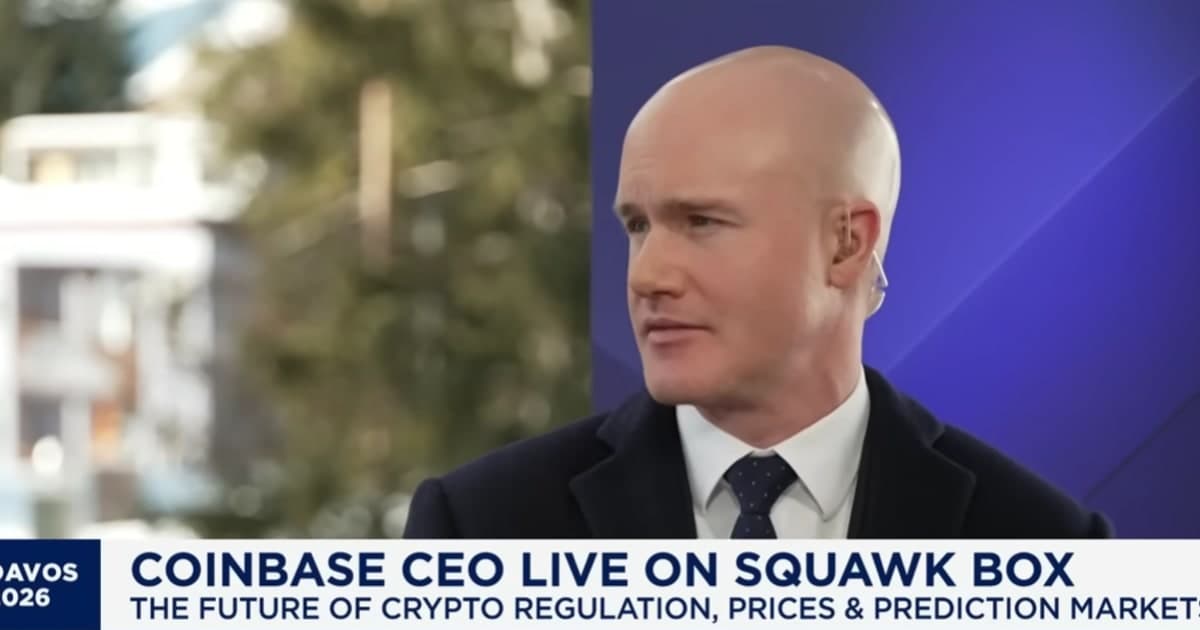
Coinbase just threw a wrench into Washington's crypto plans.
Brian Armstrong, the company's CEO, came out swinging against a Senate bill that was supposed to fix crypto regulation. His reason? The draft had some pretty sketchy language that would've basically handed banks a monopoly while shutting down competition from stablecoins.
Honestly, when a company as big as Coinbase walks away from legislation they initially backed, you know something's off. And this time, it's not just corporate drama it could actually affect whether you get decent returns on your money or keep settling for whatever scraps your bank throws at you.
What Went Down
The Senate was working on a bill to structure how non-stablecoin crypto assets get regulated. Sounds boring, right? Except the fine print had some nasty surprises.
According to Armstrong, the main problem was restrictions on stablecoin rewards. The bill would've limited how stablecoin issuers could offer yields to regular users. Translation: banks wanted to kill off competition in an area where crypto actually works better.
Here's the thing people don't get about stablecoins. Many major stablecoin issuers claim full reserves, often heavy in short-term U.S. Treasuries. Your bank? They're running on fractional reserves, meaning they don't actually have all your money sitting there. [Yeah, that's how it works.] Stablecoins let you opt into DeFi lending where you can earn higher returns but you know the risks going in because everything's transparent.
Armstrong even mentioned that Coinbase already provides crypto infrastructure to several major banks. So it's not like these two worlds can't coexist. The bill just seemed designed to protect banks from losing customers to better options.
Not great for anyone who actually uses these services.
Why This Actually Matters
Let's say you've got some savings sitting in a bank account. You're probably earning what, 0.5% interest? Maybe 1% if you're lucky and locked into some special account you can't touch for six months.
Now imagine exploring DeFi options. Some DeFi strategies can offer higher yields, but that return comes from lending and market risk it's not a free lunch. Still, for people willing to understand and accept those risks, the potential is there.
If this bill passes without major changes, that option basically disappears. Or gets regulated into irrelevance.
For crypto businesses, it's even messier. Stablecoin issuers would face roadblocks trying to offer competitive products. Innovation slows down. Smaller players get squeezed out. The usual story when incumbent industries lobby for "consumer protection" that really just protects their profit margins.
And here's what kills me: banks are out here claiming stablecoins could cause mass withdrawals and destabilize the system. But crypto's whole thing is transparency. You can literally see on the blockchain what's backing these coins. Banks? Good luck getting a straight answer about where your deposits actually go.

The Bigger Fight
This isn't just about one bill. It's part of a bigger battle between crypto and traditional finance over who controls the future of money.
We're seeing this pattern everywhere. Crypto offers something faster, cheaper, or more transparent. Legacy institutions freak out and run to regulators asking for rules that "level the playing field" which really means kneecapping the competition.
What happens next probably involves more integration, not less. Armstrong's vision is stablecoins that work like money market funds, adjusting to interest rates and giving users actual choices about where their money goes and what kind of returns they get.
But here's my take: regulators need to stop babying banks. Competition is literally the only thing that's going to drag finance into the modern era without killing innovation in the process. Protecting outdated business models doesn't help consumers it just delays the inevitable.
The global stakes are real too. Big players are experimenting with tokenized assets, and exchanges have been openly exploring 24/7 trading models. If the U.S. keeps passing protectionist bills that favor banks over innovation, we're gonna wake up one day and realize the rest of the world moved on without us.
What to Watch
Senate rewrites: Will lawmakers actually fix the stablecoin language to get crypto companies back on board, or double down on bank protection?
More bank-crypto deals: Expect to see more partnerships where traditional finance uses crypto rails for speed and efficiency while still keeping their branding and customer relationships
The yield war: If interest rates keep moving and stablecoins keep offering better returns, banks might actually have to compete on rates instead of just relying on customer inertia
Lobbying chaos: Both sides are gonna throw money at this web3 companies pushing for user choice, banks pushing for restrictions that keep them relevant
Bottom Line
If you're getting into crypto or already using it, stick with platforms that are transparent about what they're doing with your money. Fully backed stablecoins with opt-in DeFi features are the move just make sure you actually understand the risks before chasing yields.
This whole bill situation is a reminder that regulations aren't just abstract policy stuff. They directly impact whether you can access better financial tools or stay stuck with whatever your bank decides to offer. Stay informed, because the choices lawmakers make now could determine what's in your wallet five years from now.
Author : Team AdiPek
Stay Updated
Join our newsletter for the latest tech news.